Retro Trick or Treat
As an embroidery designer and product reviewer, I often find myself evaluating new designs with a critical eye—looking for quality, versatility, and practicality. The Retro Trick or Treat SVG Cut File is one such design that caught my attention. It’s a nostalgic piece with a playful vibe that could work well in a variety of projects. But before jumping into using it on a custom tote bag or a holiday gift, I wanted to take a closer look at how it performs in real-world embroidery situations.
The First Impression: A Nostalgic Design with Character
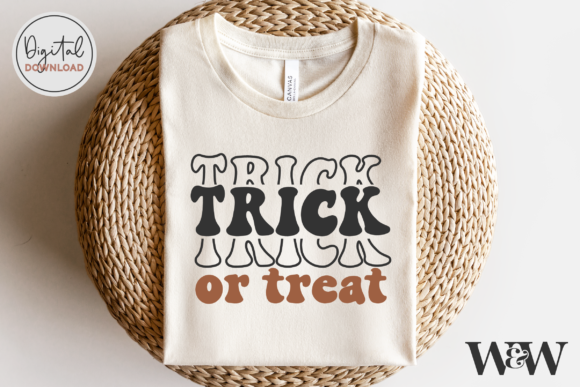
Retro Trick or Treat immediately evokes a sense of fun and whimsy. The design features a vintage-style Halloween theme with a bold, clean layout that feels both classic and modern. The shapes are well-proportioned, and the details are crisp enough to translate well into machine embroidery. It’s the kind of design that would stand out on a custom sweatshirt or a baby onesie without being too busy or overwhelming.
The visual personality of the design is warm and inviting, making it ideal for handmade products that aim to connect emotionally with customers. Whether you're creating a personalized gift or a boutique item for your craft business, this design has the potential to add a unique touch to your offerings.
Real-Life Embroidery Use Cases
One of the first projects I considered was a custom tote bag design. The Retro Trick or Treat design would look great on a large, flat surface like a tote, where the details can be clearly seen. It also works well as a sweatshirt embroidery, especially if you’re targeting a younger audience or a seasonal market.
For baby items, the design could be adapted into a cute embroidered patch or a pillow cover. The simplicity of the design makes it easy to adjust for smaller sizes, and the colors can be customized to match nursery themes. As an applique design, it would also work well on a quilt or a blanket, adding a festive touch to any home decor project.
Another scenario I thought about was a holiday gift. Retro Trick or Treat could be used on a tea towel, kitchen towel, or even a cap. The design’s retro feel pairs well with traditional holiday motifs, making it a great fit for a handmade shop or an Etsy seller looking to create seasonal items.
Where to Be Careful: Limitations and Considerations
While Retro Trick or Treat is versatile, there are some areas where it might not perform as well. For instance, if you're working with small hoop sizes, the design may need to be split or adjusted to fit properly. Similarly, on textured fabrics or thin materials, the stitching might not show up as clearly as it would on a smooth, medium-weight fabric.
Stretchy fabrics can also be a challenge, especially if the design includes intricate details or dense stitch areas. In those cases, using the right stabilizer is crucial to prevent puckering or distortion. Dark fabrics may require a different thread color to ensure visibility, and layered garments might need additional support to avoid shifting during the embroidery process.
Curved surfaces like caps or hats can also be tricky. The design may need to be resized or repositioned to accommodate the curve, and the stitch density should be checked to make sure it doesn’t cause any issues with the fabric’s stretch.
Impact on Visual Appeal and Customer Perception
Retro Trick or Treat has the potential to enhance the visual appeal of any project it's used on. Its clean lines and nostalgic charm can elevate a simple handmade product into something that feels more special. When used effectively, it can increase the perceived value of a finished product, making it more attractive to buyers who appreciate unique, handcrafted items.
From a customer perspective, the design adds a sense of familiarity and comfort. People often respond positively to retro themes, especially around Halloween or other seasonal events. This can lead to higher engagement, more repeat purchases, and stronger brand recognition for a craft business or Etsy shop.
For commercial embroidery projects, the design offers flexibility. It can be used in both personal and business settings, provided the licensing terms allow for it. Always check the fine print before selling finished items or digital products to avoid any legal issues.
Practical Designer Notes: Testing and Preparation
Before using Retro Trick or Treat on a client project or a retail product, I recommend testing it on scrap fabric first. This will help you see how the stitches look on different materials and whether the design needs any adjustments.
Check the contrast between your chosen thread colors and the fabric background. If you're using a dark fabric, consider using a lighter thread or adjusting the design to ensure visibility. Review the stitch density to make sure it’s appropriate for the fabric type and project size.
Confirm the hoop size required for the design, and make sure it fits within your embroidery machine’s capabilities. Inspect small details closely, especially if the design includes tiny lettering or decorative accents. Test the design in black and white mockups to see how it looks without color, and compare it on both light and dark backgrounds.
Using the proper stabilizer is essential, especially when working with delicate or stretchy fabrics. Finally, always verify the licensing terms if you plan to sell finished items or digital products. Even the best designs need to be used responsibly.
Final Thoughts: A Versatile Design for Creative Projects
Retro Trick or Treat is a design that offers a lot of potential for creative entrepreneurs, crafters, and small business owners. Its nostalgic aesthetic and clean layout make it suitable for a wide range of applications, from custom apparel to holiday gifts. With the right preparation and care, it can become a valuable addition to your design assets.
Whether you're an Etsy seller, a craft fair vendor, or a digital product creator, this design could help you stand out in a competitive market. Just remember to test it thoroughly, consider the limitations, and use it in a way that aligns with your brand and your customers’ expectations.